When the Tarmac Freezes Over: How Major US Airlines Handle Storm Season — and Who Picks Up the Phone
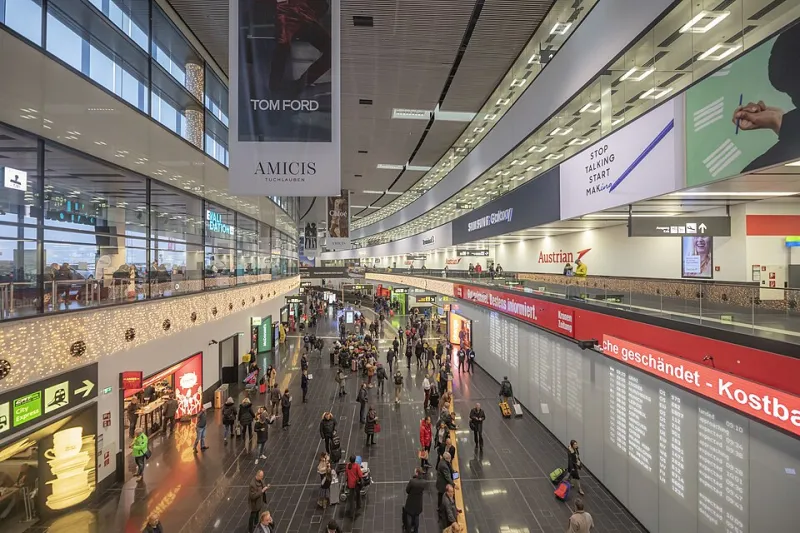
Photo: Arne Müseler, CC BY-SA 3.0 de, via Wikimedia Commons
A single ice storm in Dallas can strand more than 100,000 passengers in one day. When that happens, every affected traveler becomes a customer service case at once — and the difference between a rebooking at 9 a.m. and one at 9 p.m. often comes down to how well an airline's contact infrastructure holds up under pressure.
For frequent flyers, understanding each carrier's disruption playbook before the next nor'easter or hurricane season is not optional. It is the difference between a minor delay and a multi-day ordeal.
How Weather Waivers Actually Work
When a storm is forecast, most US airlines issue what is known as a travel waiver — a window of dates and airports during which passengers may change flights without paying fare differences or change fees. These waivers are posted on each carrier's travel alerts page, typically 24 to 48 hours before the first flake falls.
The critical detail travelers miss: a waiver lets you change your flight, but it does not automatically rebook you. You must act. The airlines that process these changes fastest are usually the ones whose apps and websites allow self-service rebooking under the waiver code — no phone call required.
A Tier-by-Tier Look at Storm Response
Tier One — Self-Service Leaders. Delta and United generally lead in storm recovery, in part because both invest heavily in automated rebooking tools. Delta's app frequently pushes proactive rebooking options before the cancellation is even official, and its waiver page allows same-day changes across multiple airports in the affected region. United's app performs similarly, though during large Chicago-area ground stops its phone lines can still back up for hours.
Tier Two — Solid but Slower. American Airlines covers an enormous network out of hubs like Dallas-Fort Worth and Charlotte, which makes it disproportionately exposed to convective summer storms. Its waiver system is functional, but travelers report longer app queue times and less proactive push notifications. American's reservation lines, meanwhile, are notorious for multi-hour holds during mass disruptions — a problem that pushes savvy travelers toward the airline's chat and social channels instead.
Tier Three — Mixed Experiences. Southwest's open boarding model once made rebooking simple — any open seat, no fare difference. Its 2024 shift to assigned seating has complicated that calculus somewhat, though the airline remains among the more generous with same-day standby during weather events. JetBlue and Alaska both handle regional storms well but have thinner networks to absorb displaced passengers, meaning a canceled flight may not have a rebooking option for two or three days.
Which Airline Offices Are Actually Reachable
Reachability during a meltdown is its own skill. Based on patterns observed across dozens of storm events, a few conclusions hold:
- Regional call centers matter. Alaska and Hawaiian, with smaller networks, tend to answer faster simply because call volume is proportionally lower.
- International desks can be a back door. Calling an airline's international reservation line — often listed separately on its contact page — sometimes connects you to an agent with the same system access and a shorter queue.
- Airport ticket counters beat phone lines during active ground stops. When phone queues stretch past four hours, agents at the airport can often rebook on the spot, particularly for premium-status passengers.
Insider Tactics for Jumping the Queue
Experienced travelers use several legitimate strategies during weather meltdowns:
- Rebook before the cancellation. If a waiver is active, change your flight proactively rather than waiting for the airline to cancel it. Waiver-based changes often involve shorter queues than post-cancellation rebooking.
- Use the app's chat feature rather than calling. Chat queues during storms are frequently shorter than phone queues, and the transcript provides a written record.
- Know your alternate airports. Agents rebook faster when you volunteer alternatives — a traveler who says "I can fly into BWI or Reagan instead of Dulles" gets off the phone minutes sooner.
- Check partner airlines. Under alliance agreements, agents can sometimes rebook you on partners like Lufthansa or ANA during US carrier meltdowns, though this usually requires a phone agent rather than the app.
What Airlines Owe You When Weather Strikes
A common misconception: because weather is outside the airline's control, the carrier owes you nothing. That is partially true. US Department of Transportation rules do not require compensation for weather delays, and airlines are not obligated to cover hotels or meals during storms. However, several carriers — including Alaska, JetBlue, and historically Southwest — publish customer commitments promising hotel accommodations during weather cancellations in certain circumstances. It is always worth asking, politely and specifically.
The bottom line: the airlines that recover fastest from storms are the ones that push self-service tools hardest, and the travelers who recover fastest are the ones who act before the cancellation notice arrives. When the forecast turns ugly, open the airline's travel alerts page first — and only pick up the phone as a last resort.