Ten Seats, One Reservation: A Planner's Guide to Group Booking Desks at Major US Airlines

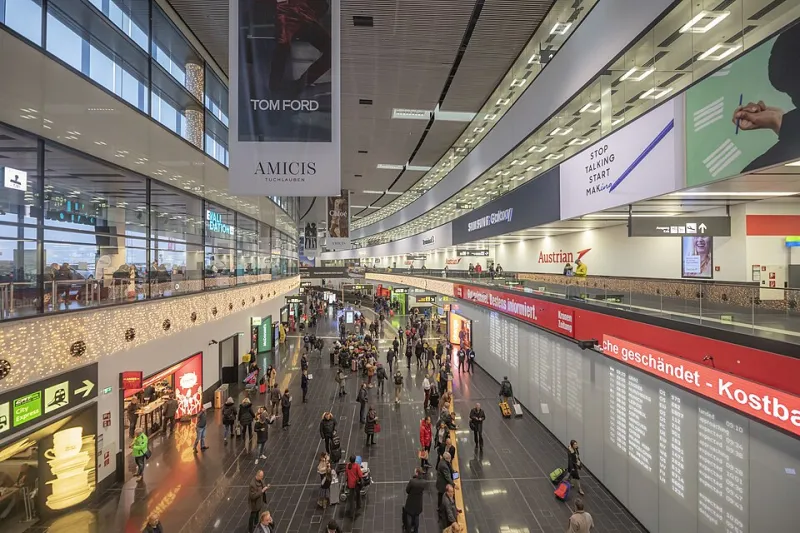
Photo: Sourabh.biswas003, CC BY-SA 4.0, via Wikimedia Commons
Somewhere around the tenth passenger, airline websites stop being useful. The fare calendar collapses, seat maps thin out, and the price per ticket climbs as inventory buckets sell through. This is by design: airlines expect parties of ten or more to route through their group sales desks, where pricing, payment terms, and flexibility rules work entirely differently than the fare you saw on the homepage. For family reunion organizers, youth sports managers, and wedding planners herding a bridal party, understanding that parallel system is the difference between a coordinated arrival and eleven separate customer service tickets.
Why the Group Desk Exists at All
Group bookings are negotiated inventory. Instead of pulling ten seats from public fare buckets, a group desk allocates a block at a contracted rate, holds it against a deposit, and allows modifications that would trigger change fees in the retail environment. The trade-off is process: you will deal with a dedicated team by phone and email, not a checkout button.
The general thresholds across US carriers:
- American Airlines: groups of 10+ on the same flight, handled by the Group & Meeting Travel desk
- Delta Air Lines: 10+ passengers, with a separate meeting-travel product for events
- United Airlines: 10+ travelers, with group contracts issued through their group sales office
- Southwest: 10+ passengers, notable for allowing full fare flexibility and refundable group terms
- Alaska, JetBlue, Spirit, Frontier: all operate 10+ group desks, with low-cost carriers often quoting per-person rates that include fewer bundled perks
Deposits, Deadlines, and Fare Locking
Group contracts typically follow a deposit ladder: an initial deposit to hold space, a second payment to confirm the block, and final payment plus full passenger names 30 to 45 days before departure. Deposit amounts generally run $50 to $100 per person and are sometimes refundable within a short initial window — sometimes not. Read the contract date schedule before signing anything.
Fare locking works differently here than in retail. Where a leisure traveler might hold a fare for 24 hours, a group block is locked by contract. That means the price you negotiate does not move, but it also means you are committed to the block size or its contractual reduction allowance. Most desks permit you to release a portion of seats — often down to 90% of the original block — before a stated deadline without penalty. If your reunion headcount is a guess, negotiate that release clause explicitly.
Name Changes: The Quiet Advantage
This is where group desks earn their keep. Retail tickets are name-bound at issuance; changing a passenger on a $340 nonrefundable fare can cost more than buying new. Group contracts, by contrast, usually permit unlimited name changes up until 24 to 72 hours before departure at no charge, because airlines understand that roster shuffles are inherent to team and event travel.
A youth hockey manager can swap a benched player for a call-up. A wedding planner can replace a dropped-out groomsman. Confirm the name-change window in writing when the contract is issued, and ask specifically whether changes are free or carry an administrative fee — policies vary even within a single airline's products.
How to Actually Reach the Desk
Group desks are phone-and-email operations. Each carrier publishes a dedicated group sales line distinct from general reservations; calling the main reservations number and asking to be transferred to group sales works, but expect a hold. Before you call, have the following assembled — agents move far faster with complete information:
- Origin, destination, and flexible date range
- Realistic passenger count (quote for your maximum, then use the release clause)
- Whether travelers will all be on one itinerary or split across flights
- Your payment timeline and who holds the corporate or organizational card
Request a written quote valid for a stated period — most desks honor quotes for 7 to 14 days. That window is your negotiation room: competing quotes from another carrier are legitimate leverage, and group agents have discretion the retail channel never offers.
When Group Travel Goes Sideways
The failure mode for group bookings is fragmentation: half the party booked independently before the organizer acted, and now the group desk will only manage the ten seats on the original contract. If a disruption hits, the airline's obligation is to rebook the passengers on the group PNR as a unit — but only if they are on it. This is the strongest argument for centralizing the entire party under one reservation rather than letting relatives book their own seats to save $30.
If a group flight cancels, call the group desk directly rather than the general line. Group contracts typically carry reaccommodation terms that prioritize keeping the party together, and the desk can move the whole block to a new flight in a single transaction — something individual rebooking queues simply cannot do.
The system rewards preparation. One call, one contract, one payment schedule — and one person to blame when your cousin misses the bus to the airport.