Decoding Your Boarding Pass: The Hidden Code That Decides What an Airline Agent Can Do for You
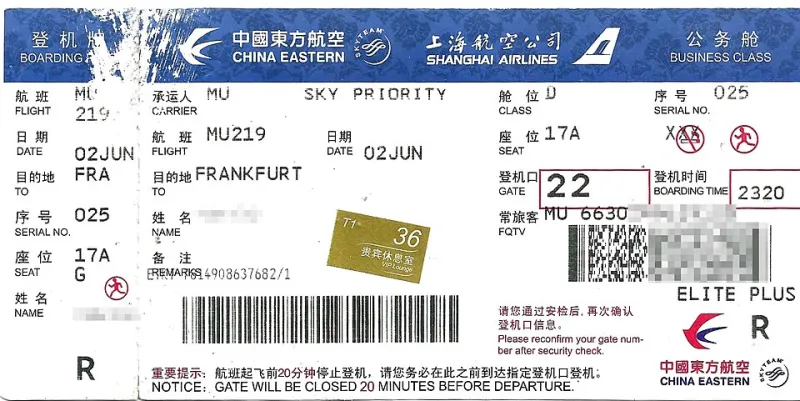
Photo: China Eastern, Public domain, via Wikimedia Commons
Every traveler has heard the phrase. You call the airline about a change, a refund, or an upgrade, and the agent pauses before saying it: "I'm sorry, the fare rules don't allow that." It sounds like a policy wall. In reality, it is usually a code — a short alphanumeric string printed on your ticket that most passengers never notice and almost nobody understands.
At Airlines Office Connect, we spend a great deal of time helping travelers reach the right desk faster. But reaching the right agent is only half the battle. The other half is knowing what that agent sees on their screen when your reservation pulls up. This article explains how to decode that screen before you call.
What a Fare Basis Code Actually Is
A fare basis code is a compressed summary of your ticket's terms, typically six to eight characters long. It usually begins with a single letter — the booking class — followed by modifiers that indicate fare type, season, discounts, and restrictions.
The first letter carries the most weight. On most US carriers, F and J denote full-fare first and business class tickets. Y is full-fare economy. Letters further down the alphabet — Q, S, T, V, and the like — represent discounted economy buckets with progressively tighter rules. A traveler holding a V-class ticket on a domestic carrier, for example, may face change fees or fare-difference rules that a Y-class passenger simply does not.
That single letter explains a great deal of what happens at the airline desk. Two passengers in adjacent seats on the same flight can sit down to entirely different sets of rights.
Reading the Rest of the String
After the booking class, the remaining characters describe the fare's character. Common patterns include:
- OH or RT — one-way or round-trip pricing
- LX, EE, or similar — excursion or economy-sale fares, often heavily restricted
- H, K, or numbers — seasonal or advance-purchase tiers
- CH or INF — child or infant fares
You do not need to memorize every combination. What matters is recognizing that a code beginning with a deep-discount letter and containing excursion markers signals a restricted ticket. That knowledge changes how you frame your request on the phone.
Why Agents Say "Nothing I Can Do"
Airline reservation agents work inside fare-rule systems that govern rebooking, refunds, and upgrades. When an agent says the fare rules prohibit something, they are often reading directly from those restrictions. But the phrase hides important nuance.
First, many rules have exceptions that apply automatically — schedule changes, delays above a threshold, or death in the family frequently unlock flexibility regardless of fare class. Second, some carriers grant agents waiver authority, but only when the passenger asks the right way. A caller who says "I know this is a basic economy fare, but my flight was moved ninety minutes — what rebooking options apply under a schedule change?" will often get further than one who simply demands a refund.
Third, the rules differ by who issued the ticket. Codeshare and agency-issued tickets can require calling the original point of sale, a subject we have covered before in our piece on codeshares.
A Practical Pre-Call Checklist
Before contacting any airline office, gather the following:
- Your six-character confirmation code and the fare basis string from your e-ticket receipt
- The booking class letter, which appears next to your name or in the fare details
- The fare rules link, which most US carriers include at the bottom of the confirmation email
- The timeline of your issue — when the schedule changed, when the flight delayed, when you purchased
With those four items, you can ask specific questions: whether your fare class permits a same-day change, whether the schedule change triggers a fee-free rebook, and whether any residual value converts to travel credit or cash under the Department of Transportation's automatic refund standards.
Turning Knowledge into Leverage
Understanding your fare code does not guarantee the outcome you want. But it changes the conversation from a generic complaint into a targeted request grounded in the airline's own rules. Agents recognize informed callers, and informed callers tend to be routed to solutions rather than boilerplate.
The next time hold music threatens to wear you down, spend those minutes reading your ticket instead. The answer to what is possible may already be printed there — in a language that takes only a little effort to learn.