Held, Then Gone: The Fare Expiration Rules Every US Traveler Should Know Before Checkout

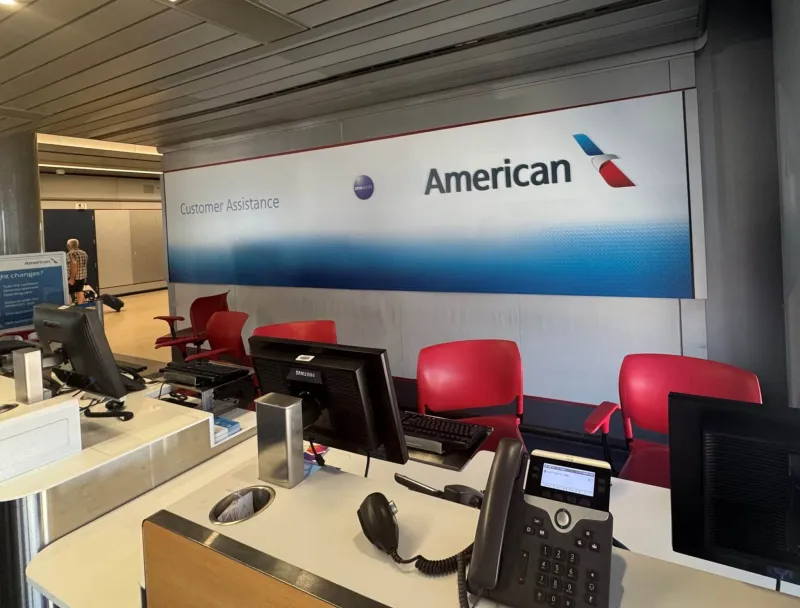
Photo: Jernej Furman from Slovenia, CC BY 2.0, via Wikimedia Commons
The Price That Disappears Overnight
A traveler in Denver finds a $312 round trip to Atlanta at 9 p.m., saves it in a cart, and goes to bed. By morning, the fare is $540. Nothing was purchased, nothing was canceled — the airline simply never guaranteed the price in the first place. For many US carriers, an unfinalized booking is a courtesy, not a commitment, and the courtesy runs on a timer most passengers never see.
At Airlines Office Connect, we hear versions of this story weekly. The details vary; the lesson doesn't. Understanding fare holds — and knowing which office can intervene when one lapses — is one of the least discussed skills in airline customer service.
Why Fares Expire at All
Airline inventory is managed by revenue systems that release unsold seats back into the market on tight cycles. When you begin a booking, most carriers place a temporary hold on the fare and the seat count. That hold typically lasts from a few hours to 24 hours, depending on the airline, the fare class, and how close you are to departure.
The mechanics matter less than the consequence: when the timer ends, the reservation either auto-cancels or converts into an unpaid booking record that the airline's ticketing department may purge. In some cases, the seat itself is still available — but at the new, higher fare. In others, a low-fare bucket sells out entirely, and no phone agent can bring it back.
How the Major US Carriers Handle Holds
Practices differ enough that it pays to know your carrier's rules before you start a booking:
- Alaska Airlines and Hawaiian Airlines have historically offered 24-hour free cancellation on paid tickets, which effectively functions as a post-purchase hold — a safer position than a pre-purchase one.
- American Airlines, Delta Air Lines, and United Airlines generally hold a fare only as long as the booking engine dictates, often just 20 minutes to a few hours for seats flagged as high-demand.
- Southwest Airlines keeps fare flexibility simple: the price isn't guaranteed until ticketed, but its no-change-fee policy softens the blow of a fare that rises.
- Ultra-low-cost carriers such as Frontier and Spirit tend to run the shortest hold windows, sometimes measured in minutes during peak booking periods.
The federal 24-hour rule — requiring free cancellation of a ticketed booking made at least a week before departure — protects you after purchase. It does nothing for a fare you left sitting in a cart.
Who Can Rescue a Lapsed Hold
This is where the right phone number matters. When a hold expires, the general reservations line often can't help; the agent sees a canceled record with no pricing history attached. But two offices frequently can:
- The ticketing desk. Some carriers maintain dedicated ticketing departments that can view the original fare basis and, occasionally, reinstate a hold or honor the prior price if the fare bucket hasn't closed.
- Group and meeting services desks. If you were booking for multiple travelers, group desks have more latitude to re-extend holds than consumer agents do.
Calling within hours of expiration — not days — dramatically improves your odds. Fare inventory refreshes constantly, and once a bucket closes, even sympathetic agents are working from a blank slate.
A Timeline of a Typical Lapse
- Hour 0: Fare selected; hold begins, commonly 20 minutes to 24 hours depending on carrier and demand.
- Hour 1–6: Payment delayed. If the hold expires here, the record may sit in a pending state briefly.
- Hour 6–24: The system releases the seat and fare. A call to the ticketing desk may still recover the original price.
- Hour 24+: Inventory has cycled. Recovery is unlikely; the best outcome is a fare-match request or a goodwill adjustment, which few carriers grant.
What to Say When You Call
Agents respond to precision. Rather than explaining the whole saga, open with specifics:
"I had a fare held under record locator [code] that expired before ticketing. I'd like to speak with your ticketing desk about reinstating the original fare basis."
If you don't have a record locator — common with expired cart holds — ask whether a pending booking exists under your name and dates. Then request the fare basis code for the original price; that six-character code is what agents need to check whether the same bucket is still open. Avoid framing the call as a complaint. Frame it as a request for reinstatement, which is a transaction the right desk can actually process.
Building the Clock Into Your Routine
The most reliable strategy is to never depend on an agent's mercy. Treat every fare hold as a hard deadline: if you can't complete payment immediately, note the exact expiration time shown on the booking page, set an alarm, and have payment details ready before you start. For high-stakes bookings — international itineraries, peak-season travel, group trips — call the airline's reservations line before booking and ask whether a formal hold can be placed. Some carriers will do it on request; none will do it automatically.
The airlines build expiration into the system. With the right office and the right timing, a lapsed hold isn't always the end of the fare — but the surest way to keep your price is to beat the clock yourself.